
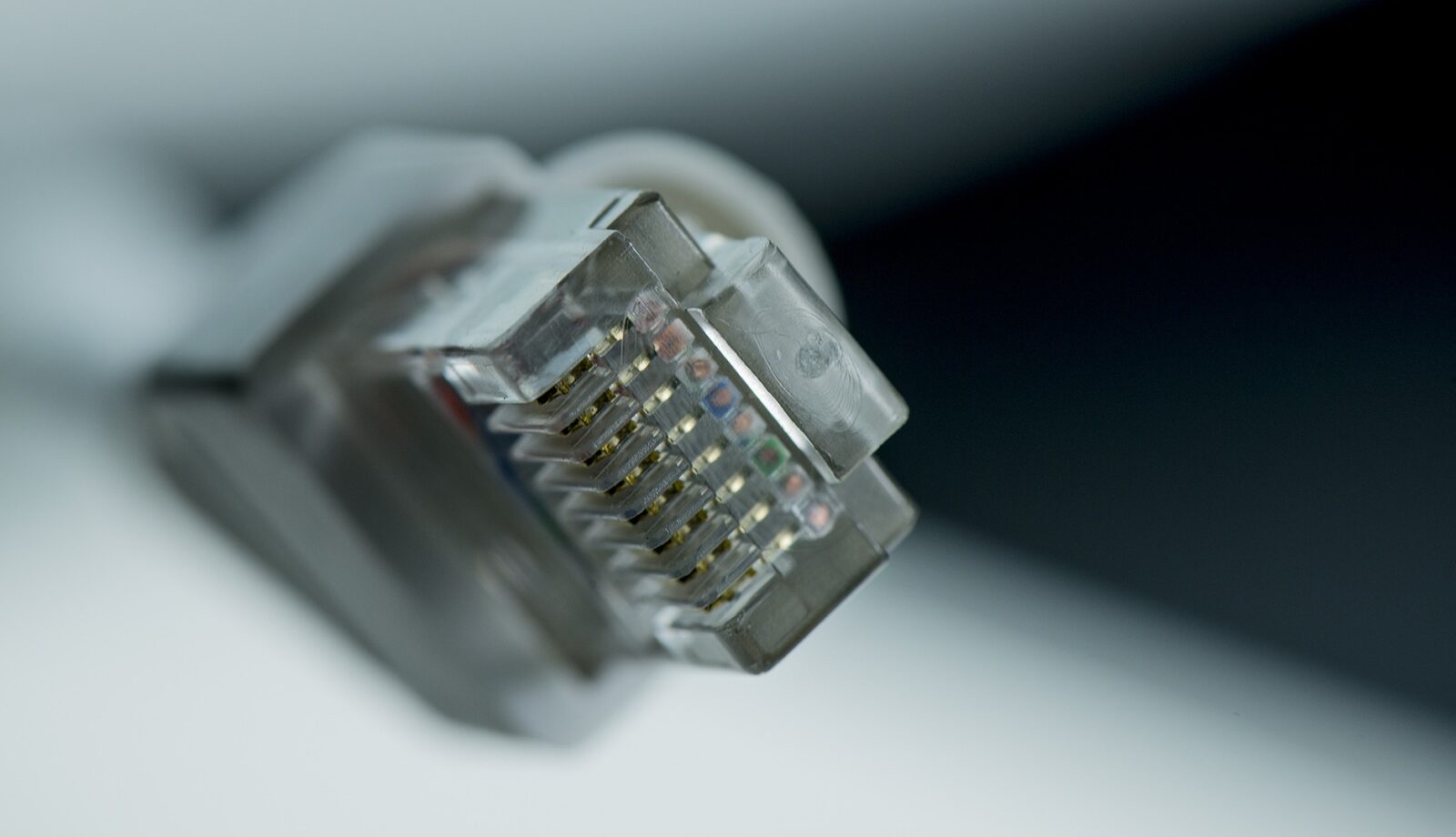
Choosing the right network cable , with Cat6 or Cat6a being the best choice for most modern, future-proofed home networks. Use Cat5e for basic, slower setups, Cat6 for1Gbps-10Gbps, and Cat6a or higher for 10Gbps+ speeds over long distances. Prioritize pure copper over CCA (Copper Clad Aluminum) for better performance and durability.
Here is a breakdown of how to choose:
- Select the Category (Speed/Bandwidth):
- Cat5e: Suitable for speeds up to 1 Gbps, perfect for older, basic home internet.
- Cat6: The “sweet spot” for 2026, supports up to 10 Gbps up to 55 meters; ideal for gaming and streaming.
- Cat6a: Supports 10 Gbps over the full 100-meter distance, ideal for future-proofing.
- Cat7/Cat8: Generally unnecessary for residential use, usually reserved for specialized data centres.
- Consider Shielding (For Interference):
- UTP (Unshielded Twisted Pair): Standard for most home and office environments.
- STP/FTP (Shielded): Essential if running cables near high-voltage power lines to prevent signal interference.
- Environmental Factors:
- Indoor: Standard PVC jackets are fine.
- Outdoor: Use UV-resistant, direct-burial rated cables to prevent decomposition from sun and water.
- Inside Walls: Use Plenum-rated (CMP) cable for safety in air-handling spaces.
- Physical Properties:
- Solid vs. Stranded: Solid copper is better for long, permanent, in-wall runs. Stranded is more flexible for patch cables.
- Flexibility: Cat6 and higher are less flexible than Cat5e due to thicker insulation and shielding